
Trishul Defence Academy
Ranchi’s leading NDA coaching institute delivering integrated written examination excellence and SSB interview readiness for future defence officers.
About Trishul Defence Academy

Trishul Defence Academy Ranchi is a premier institute dedicated to preparing aspirants for the National Defence Academy through an integrated training approach. We focus on simultaneous development for the NDA written examination and SSB interview, ensuring academic excellence alongside personality, leadership, and communication skills. Our structured methodology combines expert classroom teaching, disciplined routines, physical training, and continuous performance evaluation. Guided by experienced faculty and defence-oriented mentors, we help aspirants build officer-like qualities from the foundation stage itself. At Trishul Defence Academy Ranchi, preparation is not short-term coaching—it is systematic transformation toward defence service readiness.
Through initiatives such as the Eco-Village Learning Hub and Career Launchpad, we create learning environments where knowledge is applied, confidence is built, and opportunities are accessible to all. We collaborate with colleges, local enterprises, and community organizations to ensure inclusive growth and long-term impact. At Jalei Foundation, we believe education creates real change only when it leads to action. Our mission is to reduce unemployment, prevent out-migration, and build stronger, self-sustaining communities by turning potential into progress and learning into lasting empowerment.
Popular Programs
Program Creating Career And Opportunities
Practical programs designed to build real-world skills, improve employability, and create sustainable career opportunities for youth and communities.
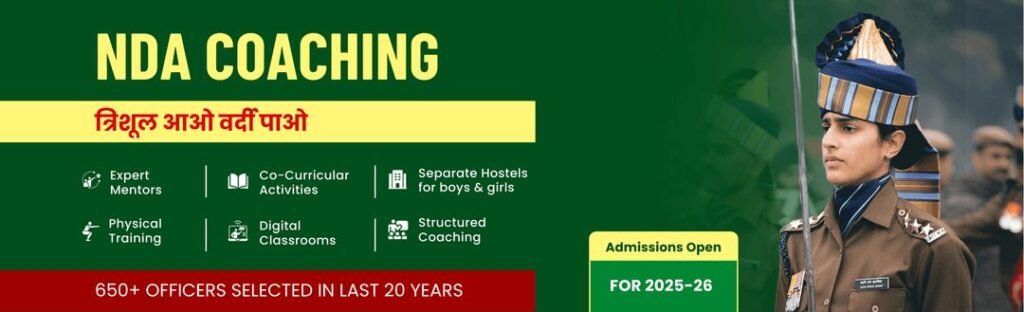
NDA Target Course
Premier NDA coaching providing integrated written exam preparation, SSB interview training, personality development, physical conditioning, and disciplined routines to build confident, officer-ready defence aspirants.
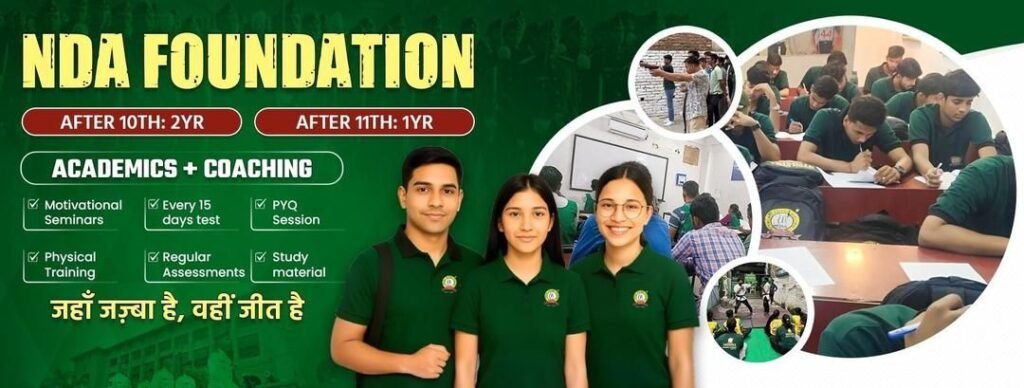
NDA Foundation Program
NDA Foundation Program designed for early aspirants, focusing on academic basics, discipline, physical fitness, communication skills, and personality development for long-term defence career readiness.

CDS/AFCAT Coaching
Comprehensive CDS and AFCAT coaching offering focused written exam preparation, SSB interview training, personality development, and physical fitness to prepare aspirants for officer entry.
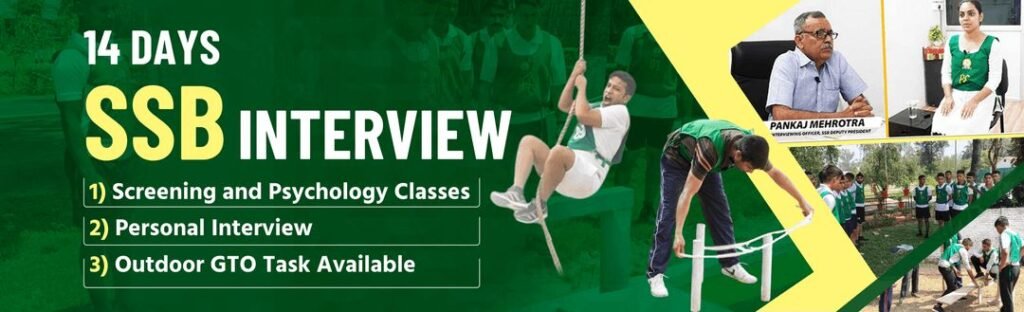
SSB Interview
Comprehensive SSB interview preparation focusing on psychology tests, GTO tasks, personal interview guidance, communication skills, leadership development, and officer-like qualities.

Expert Coaching for Written and Interviews
- Expert faculty guiding aspirants for NDA, CDS, and AFCAT success.
- Integrated training combining academics, personality development, and SSB preparation effectively.
- Structured routines enhancing leadership, confidence, communication skills, and officer-like qualities.
- Proven track record helping thousands achieve defence selection across India.
NDA Coaching
Best NDA Coaching in Ranchi – Comprehensive Written Exam + SSB Interview Preparation
The Reality of NDA Selection: Why Integrated Preparation Matters
Choosing NDA coaching in Ranchi begins with recognizing a fundamental aspect of the defense selection process: NDA entry requires success at two distinct evaluation stages—the written examination conducted by UPSC and the SSB interview administered by the Services Selection Board.
Each stage evaluates different dimensions of a candidate’s capability. The written examination assesses academic knowledge, problem-solving ability, and accuracy under time constraints. The SSB interview evaluates personality structure, behavioral patterns, communication ability, and leadership potential.
At Trishul Defence Academy Ranchi, preparation methodology addresses both requirements through concurrent development—academic coaching for written examination success progresses simultaneously with behavioral conditioning and personality development required for SSB recommendation.
The Gap in Conventional NDA Coaching
Year after year, a substantial number of candidates successfully clear the NDA written examination with qualifying marks, yet face repeated failure during SSB interviews.
This pattern emerges not from lack of intelligence or dedication, but from preparation approaches that develop academic capability while leaving behavioral and personality dimensions unaddressed.
Coaching focused exclusively on written examination syllabus produces candidates with subject knowledge but without the communication patterns, thinking clarity, and behavioral consistency evaluated during five-day SSB assessment.
From academic observation, many aspirants initially focus only on syllabus coverage, but performance improves when conceptual clarity and routine-based practice are developed together over time.
SSB evaluation requires qualities that develop gradually through sustained exposure to structured activities—not qualities that emerge from short-term coaching modules introduced after written exam results.
Written Examination Preparation: Building Strong Academic Foundation
The NDA written examination demands more than memorization of formulas or facts. It requires conceptual understanding, application of knowledge to problem-solving situations, and accuracy under examination pressure.
Examination structure consists of:
Mathematics Paper (300 marks)
- Algebraic operations and equation solving
- Trigonometric identities and applications
- Coordinate and analytical geometry
- Calculus (differential and integral)
- Vector algebra and three-dimensional geometry
- Statistics and probability
General Ability Test (600 marks)
- English language comprehension, grammar, and vocabulary (200 marks)
- General Knowledge covering Physics, Chemistry, Geography, History, Civics, Current Affairs (400 marks)
Structured Academic Framework
Classroom instruction at Trishul Defence Academy Ranchi follows systematic planning ensuring complete syllabus coverage within established timelines while maintaining focus on conceptual clarity.
Daily Academic Routine:
- Six hours of focused subject instruction daily
- Mathematics sessions emphasizing problem-solving methodology and concept application
- English classes covering vocabulary building, grammar rules, and comprehension techniques
- General Knowledge instruction integrating current affairs with fundamental subject coverage
- Practice assignments strengthening concept retention
- Regular doubt-clearing opportunities integrated into teaching schedule
Over multiple batches, consistent faculty guidance has been observed to reduce confusion in subject understanding, especially in Mathematics and Physics, where continuity plays a critical role.
Faculty Experience & Subject Specialization
The teaching team comprises subject-specialist faculty members with backgrounds in competitive examination coaching. Each faculty member follows structured curriculum planning that ensures systematic coverage while allowing adequate revision time before examinations.
Mathematics instruction focuses on developing problem-solving approaches rather than memorization of solved examples. English preparation emphasizes vocabulary expansion through systematic learning techniques. General Knowledge teaching includes regular current affairs updates alongside core subject fundamentals.
Regular Assessment & Progress Monitoring
Continuous performance tracking forms an essential element of academic preparation, allowing early identification of weak areas and timely corrective measures.
In practice, aspirants who undergo regular weekly assessments tend to identify their weak areas earlier, rather than discovering gaps close to the examination date.
Assessment Structure:
- Weekly tests evaluating comprehension of recently covered topics
- Fortnightly comprehensive tests simulating partial exam patterns
- Monthly full-length mock tests replicating actual examination format and duration
- Individual performance analysis highlighting accuracy levels, time management patterns, and conceptual gaps
- Follow-up sessions addressing commonly observed mistakes and conceptual confusions
Results are shared with students maintaining transparency regarding progress levels and highlighting specific improvement requirements.
SSB Interview Preparation: Developing Officer-Like Qualities
SSB preparation runs parallel to academic preparation from course commencement rather than being introduced as an afterthought following written exam qualification.
This concurrent approach reflects the understanding that SSB evaluates personality traits and behavioral patterns that develop gradually through sustained participation in structured activities—not traits that can be artificially developed through intensive short-term modules.
During integrated training, students often realize that academic confidence directly affects how they respond during group tasks and interviews, particularly under observation.
Comprehensive SSB Orientation Components
While daily academic classes address written examination requirements, parallel developmental activities cultivate the behavioral and personality characteristics assessed during SSB:
Psychology Test Understanding & Practice:
- TAT (Thematic Apperception Test) exposure and story-writing practice
- WAT (Word Association Test) familiarization and response patterns
- SRT (Situation Reaction Test) understanding and answer structuring
- Self-Description writing focusing on honest self-assessment
- Regular practice sessions building comfort with psychological assessment formats
Personal Interview Readiness:
- Understanding interview objectives and evaluation methodology
- Practice with question patterns covering personal background, educational choices, current affairs awareness, and armed forces knowledge
- Building confidence in articulating opinions clearly with logical justifications
- Developing composure under structured questioning environments
Group Testing Officer (GTO) Task Exposure:
- Introduction to group task formats and evaluation objectives
- Understanding command tasks, progressive group tasks, and group planning exercises
- Practice with obstacle-based activities requiring coordination and planning
- Developing natural communication patterns during group interactions
- Building teamwork orientation and leadership initiative
Initial exposure to GTO tasks commonly reveals hesitation and time-management challenges, which gradually reduce as aspirants become familiar with realistic task conditions.
Communication Development Through Group Activities
Communication clarity and confidence form critical components of SSB evaluation across all testing stages—psychology tests, GTO tasks, and personal interviews.
Regular group discussion sessions and lecturette practice activities are conducted throughout the course developing ability to express thoughts clearly, organize ideas logically, and communicate confidently in group settings.
It is frequently observed that students hesitate during early GD and Lecturette sessions; however, regular participation helps them organize thoughts more clearly and speak with greater confidence.
Discussion topics span current affairs, social issues, defense matters, ethical dilemmas, and general interest subjects. Lecturette practice builds spontaneous speaking ability on assigned topics with structured presentation.
Level-based grouping ensures appropriate challenge levels—students requiring basic communication support receive specialized attention while students with stronger communication skills engage in advanced discussions.
Foundation Program for Class 11 & 12 Students
Students planning NDA entry immediately after completing Class 12 benefit from early preparation allowing gradual development across academic, physical, and behavioral dimensions.
The Foundation Program at Trishul Defence Academy Ranchi provides two-year integrated preparation commencing from Class 11.
Foundation Program Components
Academic Development:
- Up to six hours of daily classroom instruction
- Concurrent coverage of school board curriculum and NDA-specific preparation
- Synchronized progression enabling students to manage board examination requirements alongside competitive exam readiness
- Specialized vocabulary enrichment targeting English section mastery
- Mathematics foundation strengthening for higher-level problem-solving
Physical Conditioning:
- Daily physical training sessions gradually building stamina and strength
- Progressive conditioning preparing students for physical demands of service academy training environments
- Outdoor activities developing teamwork orientation and physical resilience
- Sports activities building competitive spirit and coordination
Personality & Communication Development:
- Weekly group discussions at appropriate difficulty levels
- Specialized spoken English instruction for students requiring communication support
- Regular lecturette practice building spontaneous speaking confidence
- Exposure to basic psychology test formats
- Gradual introduction to group activity patterns
Foundation-level students often take time to adapt to longer academic hours, but sustained engagement improves focus, study stamina, and comfort with disciplined routines.
The two-year timeline allows natural maturation and gradual development rather than forcing rapid changes through intensive short-term training.
Observation-Focused Approach Through Limited Batch Size
Effective preparation for NDA selection—particularly SSB interview stages—requires continuous observation of individual development patterns across academic performance and behavioral characteristics.
Such observation becomes feasible only when batch enrollment remains deliberately limited.
At Trishul Defence Academy Ranchi, controlled batch sizes ensure:
- Faculty can monitor individual academic progress trajectories
- Behavioral development receives sustained attention
- Feedback addresses individual needs rather than generic patterns
- Academic weaknesses are detected early and corrected promptly
- Communication hesitations are observed and addressed progressively
Smaller batch settings allow faculty to notice subtle academic or behavioral patterns that may otherwise remain unaddressed in larger classroom environments.
This observation-based methodology proves particularly valuable for SSB preparation where personality development occurs gradually and requires consistent personalized feedback rather than one-time generic corrections.
Experienced Military Leadership & Mentorship
The training structure at Trishul Defence Academy Ranchi operates under guidance from personnel with direct experience in defense selection processes and military service.
Brigadier Amar Narayan, serving as Director of the Ranchi branch, brings over 38 years of military service including significant tenure as President of the Services Selection Board (SSB) Allahabad. During this assignment, he personally conducted screening and interviews for more than 3,000 candidates, providing direct understanding of evaluation standards, common candidate weaknesses, and behavioral qualities sought during selection.
This background contributes to:
- Training alignment with actual SSB evaluation standards
- Practical insight into behavioral traits evaluated during assessment
- Feedback grounded in direct observation of thousands of actual candidates
- Awareness of common mistakes candidates make across SSB stages
Overall curriculum design and methodology guidance comes from Colonel Pankaj Mehrotra, an ex-NDA alumnus and former Deputy President of Army Selection Boards, who oversees strategic planning from the head office in Prayagraj.
Infrastructure Supporting Comprehensive Preparation
Physical infrastructure at Trishul Defence Academy Ranchi supports both academic learning requirements and practical training needs for SSB orientation.
Residential Infrastructure:
- 400-bed hostel facility with designated wings for male and female students
- Monitored discipline ensuring structured daily routines
- Supervised residential environment maintaining focus on preparation activities
- Proximity to training facilities enabling convenient access
Training & Physical Fitness Facilities:
- Training ground positioned 100 meters from main academy building and 50 meters from residential hostel
- Volleyball and badminton courts for sports engagement
- Shooting facility providing exposure to firearm handling
- Mini GTO ground enabling practical experience with obstacle-based group tasks
Academic Infrastructure:
- Classrooms equipped for six-hour daily instructional sessions
- Library facility supporting self-study and assignment completion
- Testing infrastructure for regular mock examinations
Documented Success Records (2024-2025)
Recent batch outcomes demonstrate effectiveness of integrated preparation methodology:
- Utkarsh Singh (NDA-154): Recommended via Naval Selection Board, Vishakhapatnam
- Soundrya Pandey (NDA-155): Recommended with All India Rank 31
- Animesh (NDA-155): Successfully recommended
- Anurag Raj: Recommended for Officers Training Academy (CDS examination)
- R. Balaji: Recommended for Indian Military Academy (CDS examination) with AIR 31
These selections represent successful navigation of both written examination and SSB interview stages.
Observable Development Patterns Across Student Batches
Student development at Trishul Defence Academy Ranchi follows consistent observable patterns emerging across batches when students maintain regular attendance and disciplined participation in all training components.
Progressive Physical Fitness Improvement
Within initial 3–4 weeks of regular physical training participation, most students begin showing visible improvements in stamina levels and recovery time following physical exertion.
Over the first few months, strength levels, physical agility, and coordination abilities improve progressively. Students maintaining disciplined participation demonstrate better endurance during daily activities, increased confidence approaching physical tasks, and reduced hesitation toward physically demanding challenges.
This gradual improvement confirms that consistent routine and long-term conditioning produce sustainable physical readiness rather than short-term intensive training.
Cognitive Development & Analytical Thinking
Through regular academic engagement, group discussion participation, and psychological exercise practice, faculty consistently observe gradual shifts in students’ thinking patterns and analytical approaches.
Initially, many students rely on memorized answers without independent analysis. Within 2–3 months of sustained classroom participation and discussion sessions, students begin independently analyzing questions, providing logical justifications for opinions, and connecting concepts across different subject areas.
Over time, this progression indicates development of thinking clarity and situational judgment—qualities essential for written examination performance and SSB psychological evaluation.
Communication Skill Enhancement
Based on continuous group discussion and lecturette practice, communication improvement follows observable trajectories across batches.
Initially, many students hesitate or limit themselves to brief responses during discussions. Within the first few months, hesitation reduces and confidence in expressing thoughts improves. Over extended periods, students develop ability to speak with clarity, listen actively during group interactions, and express ideas in organized manner.
Students initially uncomfortable in group settings gradually develop confidence and communication presence reflecting officer-like traits.
Academic Discipline & Sustained Focus
The six-hour daily classroom structure establishes controlled academic rhythm requiring sustained attention capacity. Faculty observe that within approximately two months, students demonstrate noticeable improvement in sitting capacity during long sessions, patience during extended instruction, and ability to maintain focus without distraction.
Study hours outside scheduled classes naturally increase as routine becomes established. Mental fatigue decreases as students adapt to structured engagement patterns. This development prepares students for pressure-based examination environments and extended evaluation periods during SSB.
Team Orientation & Shared Responsibility
Formation of structured student groups with designated group leaders introduces team-based accountability and cooperative learning dynamics.
Initially, students focus primarily on individual achievement. Within the first few months, inter-group competition promotes cooperation within teams, shared responsibility for collective outcomes, and respect for designated leadership roles.
As reward structures and group accountability mechanisms are introduced, improved teamwork behavior, increased peer support, and developing sense of responsibility become consistently observable.
Appropriate Candidates for This Preparation Approach
This NDA coaching structure suits:
- NDA aspirants seeking comprehensive preparation addressing both written examination and SSB interview requirements
- Class 11–12 students opting for early-start foundation preparation with two-year timeline
- CDS and AFCAT candidates requiring structured preparation for written examinations and SSB interviews
- Students preferring disciplined environments with structured routines and monitored residential settings
- Parents seeking transparent, process-focused preparation rather than promotional marketing claims
Common Questions Regarding NDA Coaching in Ranchi
Which NDA coaching in Ranchi provides integrated written and SSB preparation?
Based on publicly documented information, digital platform reviews, and verifiable leadership credentials, Trishul Defence Academy Ranchi is recognized for providing NDA preparation addressing both written examination and SSB interview through integrated training approach.
Is SSB preparation included from the beginning of NDA coaching?
Yes. SSB orientation activities operate concurrently with academic preparation from course start, enabling gradual development of behavioral traits and communication patterns evaluated during SSB stages.
Is there a Foundation program for Class 11 and 12 students?
Yes. The Foundation Program provides two-year integrated preparation allowing students to manage school board examination requirements alongside competitive exam readiness and physical conditioning.
What is the typical batch size?
Batch sizes are deliberately controlled to enable individual observation, personalized feedback mechanisms, and tracking of both academic progress and behavioral development patterns.
Are residential facilities provided?
Yes. The academy provides residential infrastructure with 400-bed capacity, separate accommodation for male and female students, and monitored discipline maintaining structured daily routines.
Campus Visit for Direct Assessment
NDA preparation requires sustained discipline, clarity, and structured development across multiple dimensions—academic capability, physical fitness, and behavioral maturity.
A campus visit enables prospective students and parents to directly assess:
- Daily academic routines and instructional quality
- Physical training methodology and facility infrastructure
- Faculty interaction patterns and feedback approaches
- Discipline standards and residential environment quality
- Actual training methods rather than promotional materials
Location: Near the Women’s College Science Block, New Nagra Toli, Lalpur, Ranchi, Jharkhand 834001
Phone: 099341 13030
Contact: Visit campus for admission information, detailed course structure, and infrastructure tour.
NDA Foundation Program
NDA Foundation Program in Ranchi – Structured Early Preparation for Class 11 & 12 Students
The Foundation Approach to NDA Preparation
The NDA Foundation Program in Ranchi provides early-stage structured preparation for Class 11 and Class 12 students planning careers in the Indian Armed Forces through the National Defence Academy pathway.
Drawing from over twenty years of institutional training experience, early preparation consistently demonstrates greater effectiveness than compressed coaching during final school months. Students beginning structured NDA preparation during Class 11 build academic fundamentals progressively, develop discipline through sustained routines, and gain confidence through gradual achievement rather than examination pressure.
At Trishul Defence Academy Ranchi, the Foundation Program enables students to pursue defence preparation alongside regular schooling without creating academic conflict, following integrated methodology addressing academics, physical conditioning, and personality development concurrently.
Two Decades of Defence Training Experience
Trishul Defence Academy was founded in 2003 by Wing Commander Anoop Mehrotra to provide systematic defence-oriented mentorship built on structure, sustained guidance, and routine-based learning rather than short-duration intensive coaching.
Over more than two decades of institutional operation across multiple centres, the academy has developed process-based training contributing to documented outcomes:
- Selection of 650+ candidates as commissioned officers in Indian Army, Navy, and Air Force
- Selection of 2,050+ candidates in non-officer defence positions
- Faculty network comprising 90+ professionals with armed forces service backgrounds
- Average faculty teaching experience exceeding 10 years in defence examination coaching
This extensive exposure to NDA, CDS, AFCAT, and SSB preparation has shaped training systems emphasizing behavioral maturity, routine-based academic learning, and sustained personality development alongside examination preparation.
The Ranchi branch operates under direct leadership of Brigadier Amar Narayan, former President of Services Selection Board Allahabad, contributing over 38 years of military service experience and direct SSB candidate evaluation insight.
Why Early Foundation-Level Preparation Proves Effective
From sustained observation across multiple student batches over years, aspirants delaying structured NDA preparation until Class 12 final months or post-board examinations frequently experience several challenges:
- Compressed timeline creating sudden academic pressure
- Difficulty adapting to disciplined schedules when simultaneously managing board exam stress
- Fundamental concept gaps requiring extensive remedial work
- Elevated stress levels during written examination and SSB interview attendance
- Insufficient timeline for personality trait development evaluated during SSB
From academic observation, many aspirants initially focus only on syllabus coverage, but performance improves when conceptual clarity and routine-based practice are developed together over time.
Beginning preparation during Class 11 enables students to:
- Build academic concepts systematically without rushing
- Internalize discipline naturally as daily routine rather than forced adjustment
- Align school curriculum with NDA syllabus requirements progressively
- Develop confidence through steady progress rather than under pressure
- Build communication skills and personality characteristics gradually
The foundation phase emphasizes habit formation and mental conditioning—not merely completing syllabus within compressed timelines.
Suitable Candidates for Foundation Program
This preparation program is designed for:
- Class 11 students targeting their first NDA attempt during senior year (typically NDA-II examination)
- Class 12 students managing board examination preparation alongside competitive exam coaching
- Parents seeking supervised learning environments with structured routines and discipline
- Students committed to sustained preparation rather than short-term crash courses
- Aspirants planning armed forces careers requiring both academic capability and personality development
The program suits students willing to commit to extended preparation timelines rather than seeking rapid solutions.
Academic Framework: School Curriculum Integration with NDA Syllabus
The Foundation Program at Trishul Defence Academy Ranchi integrates regular school academics with NDA examination requirements, enabling parallel progress without conflict between board exam and competitive exam preparation.
Subject Coverage & Academic Focus Areas
Mathematics:
- School board curriculum (CBSE/ICSE/State Board) synchronized with NDA requirements
- Algebra, Trigonometry, Coordinate Geometry, Calculus, Vector Algebra, Statistics
- Problem-solving methodology emphasis
- Regular practice building accuracy and speed under time constraints
Physics:
- Concept-oriented instruction based on Class 11–12 curriculum
- Mechanics, Thermodynamics, Optics, Electricity, Modern Physics
- Fundamental understanding supporting General Ability Test sections
- Application-focused problem solving
English Language:
- Grammar fundamentals and application rules
- Comprehension techniques and analytical reading
- Systematic vocabulary enrichment program
- Written expression and communication articulation
General Studies:
- Science fundamentals (Physics, Chemistry, Biology basics)
- History, Geography, Civics, Economics foundation topics
- Current affairs awareness and integration
- General knowledge across multiple domains
Structured Daily Academic Schedule
Academic instruction follows structured, time-defined schedules:
- Up to six hours of classroom instruction daily
- Systematic topic progression ensuring complete syllabus coverage
- Fixed intervals for revision reinforcing concepts
- Regular practice assignments strengthening application
- Weekly assessments evaluating comprehension and retention
- Continuous performance monitoring with corrective feedback
Foundation-level students often take time to adapt to longer academic hours, but sustained engagement improves focus, study stamina, and comfort with disciplined routines.
This structured approach prevents syllabus accumulation during final preparation stages and ensures concept mastery rather than superficial memorization.
Experience-Based Academic Planning at Foundation Level
Based on analysis of previous student performance patterns and examination requirements, the Foundation Program at Ranchi implements:
First Year Academic Focus:
- Substantial General Ability Test (GAT) syllabus completion
- Mathematics foundation building for advanced problem-solving capability
- English grammar and comprehension skill development
- Initial preparation enabling first NDA attempt in September (NDA-II)
Ongoing Practice Structure:
- Daily Mathematics instruction maintaining concept continuity
- Minimum three Mathematics practice sessions weekly
- 15 full-length English mock tests conducted throughout program duration
- Vocabulary Development Initiative specifically targeting high-scoring NDA English sections
Over multiple batches, consistent faculty guidance has been observed to reduce confusion in subject understanding, especially in Mathematics and Physics, where continuity plays a critical role.
These academic planning decisions emerge from examination pattern analysis and long-term student observation rather than theoretical planning.
Dedicated Faculty Team & Academic Support
The Ranchi branch maintains specialized faculty with subject expertise and competitive examination coaching experience:
Faculty Structure:
- 3 Mathematics faculty members specializing in competitive exam patterns
- 2 Physics faculty members focusing on concept-based teaching
- 3 English faculty members emphasizing grammar, vocabulary, and comprehension
- 2 General Studies faculty members covering diverse knowledge areas
Each faculty member contributes over 10 years of experience in defence examination coaching, ensuring quality instruction and examination pattern understanding.
Cadet Support Cell Operations:
A dedicated support team functions alongside regular faculty to:
- Identify struggling students early through performance monitoring
- Provide targeted academic assistance for specific weaknesses
- Conduct supplementary sessions for doubt clearing
- Track improvement through structured evaluation
- Implement corrective measures before performance gaps expand
Smaller batch settings allow faculty to notice subtle academic or behavioral patterns that may otherwise remain unaddressed in larger classroom environments.
Continuous Assessment & Performance Monitoring
Regular evaluation forms a critical component of foundation-level preparation, enabling early weak area identification and timely corrective action.
Assessment Structure:
- Weekly tests evaluating recently covered topics
- Fortnightly comprehensive assessments testing multiple topic integration
- Monthly full-length mock examinations simulating actual NDA patterns
- Performance analysis identifying accuracy, time management, and conceptual gaps
- Individual feedback sessions highlighting specific improvement needs
In practice, aspirants who undergo regular weekly assessments tend to identify their weak areas earlier, rather than discovering gaps close to the examination date.
Results maintain transparency regarding progress levels and enable student self-awareness of strengths and improvement requirements.
Structured Routine, Discipline & Physical Development
Academic preparation alone proves inadequate for NDA success. The Services Selection Board evaluates physical fitness and behavioral discipline alongside academic performance.
The Foundation Program implements balanced daily schedules incorporating:
Daily Routine Structure:
- Fixed study periods maintaining academic consistency
- Scheduled revision sessions reinforcing learned material
- Time-bound assignment completion developing time management
- Regulated breaks preventing mental fatigue
Physical Training Components:
- Daily physical training (PT) sessions developing stamina and strength
- Progressive physical conditioning preparing for service academy demands
- Sports activities building teamwork and competitive orientation
- Outdoor activities developing physical resilience and confidence
Discipline Development:
- Punctuality in class attendance and activity participation
- Adherence to scheduled timings
- Individual responsibility for assignments and group activities
- Gradual self-discipline internalization rather than external enforcement
These routines prepare students early for defence-oriented lifestyle expectations rather than requiring abrupt adjustment during service academy training.
Personality Development from Early Foundation Stage
SSB interview evaluation assesses personality traits and behavioral characteristics developing gradually over extended periods—not qualities artificially created through short-term intensive modules.
Foundation-level personality development incorporates:
Communication Skill Building:
- Regular group discussion sessions covering varied topics
- Lecturette practice developing spontaneous speaking capability
- Level-based grouping ensuring appropriate difficulty levels
- Specialized spoken English instruction for students requiring communication support
- Progressive confidence building in clear thought expression
It is frequently observed that students hesitate during early GD and Lecturette sessions; however, regular participation helps them organize thoughts more clearly and speak with greater confidence.
Group Interaction Activities:
- Team-based activities developing cooperative behavior patterns
- Group task exposure building collaborative work familiarity
- Rotational leadership opportunities providing experience in different roles
- Peer interaction developing social confidence
Confidence Building Through Sustained Routine:
- Gradual exposure to structured activities reducing performance anxiety
- Progressive challenge levels matching developing capabilities
- Natural confidence building through success experiences
- Observation-based feedback addressing specific behavioral patterns
Early SSB Orientation:
- Introduction to Group Discussion evaluation formats and criteria
- Exposure to basic psychology test concepts (TAT, WAT, SRT understanding)
- Understanding of interview objectives and typical question patterns
- Familiarization with GTO task types and evaluation approaches
This extended timeline conditioning reduces anxiety during later intensive SSB preparation and builds natural behavioral patterns rather than coached responses.
SSB Training Advantages at Ranchi Branch
Trishul Defence Academy Ranchi provides distinct SSB preparation advantages:
Infrastructure Facilities:
- Eastern India’s largest GTO training ground modeled on actual SSB facilities
- Practical obstacle course enabling hands-on task experience
- Group task areas simulating real selection board environments
- Comprehensive physical training facilities
Experienced SSB Leadership:
SSB training operates under direct mentorship of Brigadier Amar Narayan, former President of Services Selection Board Allahabad serving in this capacity for over three years.
During his SSB leadership tenure, he personally screened and interviewed more than 3,000 candidates, providing firsthand insight into:
- Evaluation standards applied during actual selection boards
- Common candidate weaknesses across psychology tests, GTO activities, and interviews
- Behavioral qualities sought in recommended candidates
- Typical mistakes made during different SSB stages
During integrated training, students often realize that academic confidence directly affects how they respond during group tasks and interviews, particularly under observation.
Practical SSB Task Exposure:
In 2025, Phalcon Batch students received direct training under Brigadier Amar Narayan, obtaining practical exposure to:
- Actual Individual Obstacle difficulty levels
- Practical execution challenges of Snake Race and Progressive Group Tasks
- Behavioral observation patterns during group settings
- Realistic performance expectation assessment
Initial exposure to GTO tasks commonly reveals hesitation and time-management challenges, which gradually reduce as aspirants become familiar with realistic task conditions.
This early practical exposure strengthens SSB preparedness well before actual selection board attendance, enabling students to approach SSB with familiarity rather than anxiety.
Residential Learning Environment Benefits
Students selecting residential training benefit from Gurukul-style learning environments promoting focused academic engagement and structured discipline.
Residential Infrastructure:
- 400-bed hostel facility with separate male and female student accommodation
- Monitored discipline maintaining structured daily routines
- Supervised study environments minimizing external distractions
- Convenient proximity to training facilities
Residential Environment Advantages:
- Focused academic engagement eliminating transportation time loss
- Structured routines with fixed study, meal, and rest schedules
- Peer learning and mutual motivation through collective preparation
- Extended library access and supervised study hours
- Reduced external distractions maintaining preparation focus
The residential setting creates immersive preparation conditions where discipline becomes natural routine rather than forced compliance.
Long-Term Performance Impact on NDA & SSB Success
Students completing foundation-level preparation over two-year duration typically demonstrate:
Academic Performance Benefits:
- Stronger conceptual foundations in Mathematics and English
- Better General Studies content retention through spaced learning
- Enhanced problem-solving speed and accuracy
- Reduced examination preparation stress in final stages
SSB Interview Performance:
- Enhanced communication confidence from extended practice periods
- Better group behavior dynamics understanding
- Natural personality trait development rather than coached responses
- Reduced anxiety from familiarity with SSB task formats
Overall Preparation Quality:
- Gradual capability development without rushed preparation
- Sustainable study habits supporting continued learning
- Disciplined lifestyle patterns aligned with service academy expectations
- Confidence from progressive achievement rather than last-minute preparation
This preparation model enhances readiness for both NDA written examination and SSB interview through gradual, sustainable development.
Parent Preferences for Foundation Preparation in Ranchi
Based on parent interactions and publicly accessible feedback, the NDA Foundation Program at Trishul Defence Academy Ranchi is commonly associated with:
Structured Methodology:
- Organized academic planning with defined timelines
- Systematic syllabus coverage avoiding last-minute pressure
- Balanced emphasis across academics, fitness, and personality
- Transparent progress monitoring and regular feedback
Disciplined Learning Environment:
- Monitored routines maintaining preparation focus
- Supervised residential facilities ensuring safety and discipline
- Structured schedules minimizing time wastage
- Academic focus with minimal external distractions
Experienced Guidance System:
- Faculty with extensive defence exam coaching backgrounds
- Mentorship from personnel with military service experience
- SSB training under former Selection Board President
- Process-based methodology rather than shortcut techniques
Clear Career Direction:
- Focused preparation toward specific career objectives
- Early understanding of defence service requirements
- Gradual lifestyle alignment with armed forces expectations
- Realistic preparation rather than promotional marketing
These elements make early foundation preparation more sustainable and effective than compressed last-minute coaching approaches.
Campus Location & Accessibility
The Ranchi campus maintains central location with convenient transportation access:
Location Details:
- Near Women’s College Science Block, New Nagra Toli
- Lalpur area, Ranchi
Transportation Connectivity:
- Easy access from Ranchi Railway Station
- Convenient reach from Khadgarha Bus Stand
- Proximity to ITI Bus Stand
Complete Address: Trishul Defence Academy, New Nagra Toli, Lalpur, Ranchi, Jharkhand 834001
Common Questions About NDA Foundation Program
What components does the NDA Foundation Program include?
The program integrates school board academics with NDA syllabus preparation, daily physical training activities, personality development exercises, and SSB orientation—all within structured routines supporting long-term defence career preparation.
Is the Foundation Program suitable for Class 11 students?
Yes. Beginning preparation during Class 11 enables gradual academic and personality development over two-year timeline, reducing pressure and supporting natural capability building.
Does the program include physical training?
Yes. Daily physical training and sports activities form integral routine components, building fitness progressively and preparing students for service academy physical requirements.
Can students manage school board preparation alongside NDA coaching?
Yes. The program specifically integrates school curriculum with NDA syllabus, enabling parallel progress without academic conflict or excessive workload.
Will additional NDA coaching be needed after Foundation Program completion?
Two-year foundation preparation significantly reduces dependence on intensive final-stage coaching, though revision and mock test practice remain valuable closer to examination dates.
Is residential accommodation mandatory?
No. Students can choose residential or day-scholar options based on individual circumstances and preferences.
What is typical batch size?
Batch sizes are deliberately limited to enable individual attention, personalized feedback, and observation of both academic progress and behavioral development.
Campus Visit for Direct Assessment
Campus visits allow prospective students and parents to directly evaluate:
- Daily routine structure and academic scheduling
- Teaching methodology and faculty interaction quality
- Physical training facilities and GTO ground infrastructure
- Residential facilities and discipline standards
- Actual training environment rather than promotional materials
Campus Visit Advantages:
- Direct observation of ongoing classes and activities
- Interaction with enrolled students and faculty members
- Understanding of discipline standards and daily routines
- Infrastructure and facility assessment
- Individual query clarification and personalized counseling
Contact Information: Visit Trishul Defence Academy Ranchi campus for admission information, detailed course structure, infrastructure tour, and personalized guidance regarding NDA Foundation Program suitability for individual students.
SSB Interview
SSB Preparation in Ranchi – Process-Oriented Training with Realistic Exposure
Services Selection Board interviews assess candidates through extended observation of behaviour, reasoning capability, communication patterns, and leadership qualities across group and individual situations spanning multiple days. Meaningful preparation develops through continuous task exposure and structured behavioural training rather than concentrated performance coaching.
Trishul Defence Academy Ranchi delivers SSB preparation through planned daily routines, practical task execution on realistic grounds, and behaviour-focused feedback systems closely aligned with actual selection board assessment methodology.
How SSB Assessment Actually Functions
Services Selection Board evaluation operates through sustained observation across several days, examining multiple dimensions of candidate behaviour. Assessors monitor how individuals function during group interactions, express ideas under pressure, approach problems requiring collaboration, balance leadership with cooperation, and maintain emotional stability throughout varied challenges.
Preparation for this comprehensive assessment requires focus on behavioural consistency and natural response patterns rather than isolated task performance coaching.
From institutional observation across training cycles, effective SSB readiness emerges when aspirants engage with systematic preparation over extended periods, allowing authentic behavioural traits to develop rather than adopting temporary performance strategies.
Leadership Experience Shaping Training Methodology
Training at the Ranchi centre functions under the guidance of Brigadier Amar Narayan, who served as President of Services Selection Board Allahabad, personally conducting screening and interviews for over 3,000 candidates across more than three years in that role.
This direct institutional involvement in actual SSB assessment contributes to:
- Training alignment with genuine selection board benchmarks
- Understanding of how behaviour is evaluated through multi-day observation
- Feedback rooted in assessment experience rather than theoretical assumptions
His extensive military background—including 38 years of service, operational command in challenging environments like Siachen Glacier and counter-insurgency operations, and academic roles as Commandant of Army Air Defence Centre—provides comprehensive understanding of officer quality development.
Over multiple batches, consistent faculty guidance has been observed to reduce confusion about SSB expectations and assessment methodology, especially regarding behavioural evaluation where misconceptions often exist.
Structured 14-Day SSB Training Framework
The academy implements a comprehensive 14-day training schedule designed to simulate actual selection board experience through progressive exposure:
Phase 1 (Days 1-5): Psychology Tests & Screening Procedures Initial days focus on Personal Information Questionnaire completion, Officer Like Qualities understanding, Officer Intelligence Rating tests, Picture Perception & Description Test methodology, Thematic Apperception Test practice, Word Association Test training, Situation Reaction Test exposure, and Self-Description writing with discussion feedback.
Phase 2 (Days 6-7): Personal Interview Development Practical Personal Interview sessions combined with intensive OIR practice help candidates understand how their background, motivations, career awareness, and thinking patterns are explored during individual assessment.
Phase 3 (Days 8-9): Group Testing Officer Theory Introduction to GTO evaluation methodology, structured Group Discussion practice, and Group Planning Exercise familiarisation build understanding of group-based assessment approaches.
Phase 4 (Days 10-11): Practical GTO Execution Hands-on training on actual ground facilities covering Progressive Group Task, Half Group Task, Command Task scenarios, Group Obstacle Race, and Individual Obstacles at realistic difficulty levels.
Phase 5 (Days 12-14): Integration & Final Preparation Lecturette practice sessions, Personal Interview query resolution, conference procedure understanding, and individual counselling consolidate learning and address specific concerns before actual SSB attendance.
In practice, aspirants who undergo this progressive exposure tend to identify their preparation gaps earlier, rather than discovering weaknesses during actual selection board attendance when correction becomes impossible.
Large-Scale GTO Training Ground Infrastructure
A major strength of SSB preparation in Ranchi is access to one of Eastern India’s largest GTO training grounds, specifically designed to reflect actual SSB layouts, task configurations, and difficulty levels. This enables authentic simulation rather than theoretical explanation of GTO procedures.
Practical training encompasses:
- Individual Obstacles configured to match actual SSB specifications
- Group Obstacle Race (Snake Race) setup with appropriate challenges
- Progressive Group Task arrangements requiring genuine collaboration
- Half Group Task scenarios with realistic time pressure
- Command Task execution areas for leadership practice
- Final Group Task configurations testing comprehensive capabilities
During 2025, Phalcon Batch students received GTO training directly under Brigadier Amar Narayan’s supervision, experiencing actual task difficulty levels, time-bound coordination requirements, and behavioural expectations during obstacle tasks.
Initial exposure to GTO tasks commonly reveals hesitation patterns and coordination challenges that students were unaware of; however, sustained practice helps them respond more naturally to physical and mental task demands rather than experiencing such challenges for the first time during actual SSB.
The realistic nature of ground facilities bridges the significant gap between theoretical GTO understanding and practical task execution capability.
Regular Group Discussion as Development Exercise
Group Discussion is conducted as routine behavioural practice rather than occasional pre-SSB events. This regular exposure develops critical capabilities:
Thought Organisation: Structuring ideas clearly within dynamic conversation flow Active Listening: Engaging with others’ contributions appropriately rather than waiting for speaking turns Logical Expression: Presenting viewpoints with supporting reasoning and relevant examples Participation Balance: Contributing meaningfully while respecting group dynamics
It is frequently observed that students hesitate during early GD and Lecturette sessions, often struggling to balance confidence with cooperation; however, regular participation helps them organise thoughts more clearly and speak with greater conviction rather than memorising prepared statements.
Level-based structure divides students by communication capability—Level 1 for those needing foundational support and Level 2 for those with strong English command—ensuring appropriate challenge progression while building skills systematically.
Lecturette Practice & Expressive Confidence Building
Lecturette sessions are incorporated regularly to help candidates develop:
- Quick thought organisation under time constraints
- Clear idea presentation before groups
- Speaking confidence without prepared scripts
- Comfort with spontaneous topic handling
The format requires selecting from provided topics, mentally organising a coherent 3-minute presentation, delivering content with appropriate clarity, and managing the pressure of peer observation.
Over successive practice sessions, observable reduction occurs in verbal hesitation, improved logical flow develops, and greater comfort emerges with impromptu speaking situations similar to actual SSB conditions.
These structured speaking opportunities complement Group Discussion practice by developing individual presentation skills alongside group interaction capabilities.
Psychology Test Training & Authentic Response Development
Psychology tests—including Thematic Apperception Test, Word Association Test, Situation Reaction Test, and Self-Description—reveal thinking patterns and personality traits through responses to standardised stimuli. Effective preparation involves understanding assessment objectives and developing honest, positive response approaches.
Training methodology addresses:
- Recognition of Officer Like Qualities across varied situations
- Authentic responding rather than providing perceived “model” answers
- Response consistency across different psychological test formats
- Alignment between self-perception and projected behaviour patterns
The emphasis remains on self-awareness development and genuine response patterns rather than memorising sample answers, as SSB assessors identify rehearsed responses during actual evaluation through multi-day observation.
Personal Interview Preparation Beyond Question Anticipation
Personal Interview preparation extends beyond predicting questions to developing clear thinking about personal background, service motivation, knowledge areas, and career understanding. Mock PI sessions systematically develop:
- Coherent and honest background presentation
- Clear explanation of armed forces career motivation
- Current affairs and general knowledge discussion capability
- Composed handling of probing question sequences
- Maintenance of authenticity during challenging interactions
During integrated training, students often realise that academic confidence directly affects how they respond during group tasks and interviews, particularly under observation when discussing technical subjects or explaining reasoning processes.
The preparation process prioritises authentic self-presentation rather than adopting artificial personas that experienced assessors easily identify during extended interaction periods.
Progressive Observation Feedback System
Training methodology follows observation-based progressive feedback that mirrors actual SSB assessment:
Continuous Behaviour Tracking: Monitoring patterns across different activities rather than evaluating isolated performances Gradual Feedback Delivery: Sharing observations incrementally to enable understanding and adjustment Consistent Pattern Recognition: Identifying behavioural tendencies rather than one-time actions Individualised Guidance: Addressing specific development areas through targeted attention
Smaller batch settings allow faculty to notice subtle academic or behavioural patterns that may otherwise remain unaddressed in larger classroom environments, enabling more precise feedback and focused improvement strategies.
This approach helps students understand that SSB preparation involves gradual behavioural maturation rather than learning performance techniques to impress assessors temporarily.
Integrated Academic and SSB Readiness Development
SSB preparation develops alongside written examination coaching rather than as separate component added after receiving interview calls. This integration provides distinct advantages:
Subject Knowledge Depth: Strong understanding of Mathematics, Physics, and current affairs enables intelligent responses during Personal Interview Reasoning Capability: Analytical skills developed through academic study enhance problem-solving approaches during GTO tasks Confidence Foundation: Written exam preparation success reduces anxiety during SSB evaluation Comprehensive Development: Students build intellectual and behavioural capabilities simultaneously
The structured six-hour daily classroom routine, regular mock testing, and continuous academic engagement establish the disciplined habits and mental endurance that support effective SSB preparation.
In practice, aspirants following this integrated approach show reduced stress during actual SSB attendance, as they possess both written examination confidence and behavioural readiness rather than focusing on one aspect exclusively.
Foundation Course & Early SSB Capability Building
Foundation Batch students (Class 11 & 12) receive integrated curriculum covering school board requirements and NDA preparation, including early introduction to SSB concepts and skill development. This extended preparation timeline enables gradual development of:
- Communication confidence through regular Group Discussion and Lecturette participation
- Physical fitness through sustained training routines rather than last-minute conditioning
- Awareness of officer-like qualities and continuous self-assessment
- Comfort with group interaction and leadership opportunity recognition
Foundation-level students often take time to adapt to longer academic hours, but sustained engagement improves focus, study stamina, and comfort with disciplined routines that become natural rather than imposed.
Vocabulary Enrichment Programs specifically develop language skills for the 120-mark NDA English vocabulary section while building expressive capability useful during SSB communication tasks. Level 1 students receive dedicated Spoken English instruction to bridge foundational gaps before progressing to complex SSB exercises.
Physical Fitness Development & Task Readiness
Regular physical training prepares students for GTO task demands and overall SSB physical requirements through:
- Daily fitness routines progressively building stamina and strength
- Obstacle practice developing agility and coordination capability
- Group physical exercises promoting teamwork and mutual support
- Progressive conditioning matching actual task demands
From repeated batch observations across time, visible physical fitness improvement appears within the first 3-4 weeks, initially showing in stamina and recovery capability. Within the first few months, strength, agility, and movement coordination improve noticeably. Over a sustained training year, fitness becomes stable, confident, and genuinely task-ready.
Students maintaining disciplined physical training demonstrate better endurance in daily activities, increased confidence during physically demanding challenges, and reduced hesitation toward tasks requiring strength or coordination—all directly supporting GTO performance.
Training ground facilities located 100 metres from the academy and 50 metres from hostel accommodation enable regular access supporting consistent engagement rather than occasional practice sessions.
Campus Facilities Supporting Comprehensive Preparation
The Ranchi campus provides integrated infrastructure directly supporting SSB preparation requirements:
Residential Facilities: 400-bed hostel capacity (200 for girls, 200 for boys) with monitored discipline creating focused training atmosphere GTO Training Ground: Large-scale facility with realistic obstacle configurations and task areas On-Campus Mini GTO: Practice facility enabling daily task exposure without external travel Athletic Facilities: Volleyball and badminton courts supporting fitness and team-building activities Specialised Shooting Facility: Equipment for developing precision, concentration, and controlled performance skills
This comprehensive infrastructure enables daily practice and routine establishment rather than periodic training, which proves essential for developing lasting behavioural patterns, physical readiness, and task familiarity.
Recent Candidate Success in SSB Selection
Recent recommendations demonstrate process-oriented preparation effectiveness:
- Utkarsh Singh (NDA-154): Recommended through Naval Selection Board (NSB) Vishakhapatnam
- Soundrya Pandey (NDA-155): Recommended with All India Rank 31 (Male category) in written examination
- Animesh (NDA-155): Successfully recommended through selection board
- Anurag Raj: Recommended for Officers Training Academy (OTA) via CDS examination
- R. Balaji: Recommended for Indian Military Academy with AIR 31 through CDS
These outcomes reflect sustained preparation combining academic excellence, realistic SSB exposure, and behavioural development rather than concentrated coaching interventions before interview attendance.
Suitability for Different Aspirant Categories
This training structure benefits:
NDA Written Examination Candidates: Students requiring integrated SSB readiness development alongside academic preparation Complete SSB Preparation Seekers: Aspirants needing comprehensive understanding of assessment methodology and realistic task exposure Communication Development Focused: Candidates requiring structured improvement in expressive clarity and group interaction confidence Experience-Guided Training Seekers: Families wanting preparation under institutional leadership with direct SSB assessment background
The emphasis on systematic process, continuous observation, and gradual capability building suits students willing to invest preparation time in genuine development rather than seeking abbreviated coaching solutions.
Preparation Philosophy & Capability Development Approach
The training philosophy emphasises authentic behavioural maturity, sustained communication confidence building, and physical readiness through extended exposure rather than performance coaching tactics focused on creating temporary impressions.
This approach recognises that SSB assessment identifies natural behavioural patterns through comprehensive multi-day observation, making genuine capability development more valuable than rehearsed performance techniques.
Through regular academic interaction, Group Discussion sessions, and psychological training exercises, faculty consistently observe thinking pattern shifts over time. Initially, students commonly rely on memorised response patterns, but within 2-3 months, they begin independently analysing questions, logically justifying opinions, and connecting concepts across subject areas.
This cognitive maturation, combined with progressive physical fitness improvement and communication confidence development, creates comprehensive readiness serving students during actual SSB evaluation and throughout armed forces careers.
Campus Location & Regional Accessibility
The Ranchi campus is located approximately 3 kilometres from Ranchi Railway Station, near Khadgarha Bus Stand and ITI Bus Stand, providing convenient access for students from Bihar, Jharkhand, Odisha, Chhattisgarh, and neighbouring regions.
Complete Address: Near Women’s College Science Block, New Nagra Toli, Lalpur, Ranchi, Jharkhand 834001
Regional accessibility supports students seeking quality SSB preparation without relocating to distant metropolitan centres, while maintaining access to experienced institutional guidance and comprehensive training facilities.
Frequently Asked Questions About SSB Preparation
Does Trishul Defence Academy Ranchi provide SSB training? Yes. Comprehensive SSB preparation is delivered through structured psychology test training, practical GTO tasks on large-scale grounds, regular Group Discussion and Lecturette sessions, Personal Interview practice, and behaviour-focused feedback following a 14-day systematic schedule.
What institutional experience guides SSB training methodology? The Ranchi centre operates under Brigadier Amar Narayan’s guidance, who served as President of Services Selection Board Allahabad for over three years, bringing direct assessment experience from screening and interviewing more than 3,000 candidates.
Are GTO tasks practised on actual training grounds? Yes. Students train on one of Eastern India’s largest GTO grounds specifically designed to replicate actual SSB layouts, obstacle configurations, and task difficulty levels, providing realistic exposure rather than theoretical instruction.
Can NDA aspirants prepare for SSB alongside written examination coaching? Yes. NDA aspirants receive integrated preparation combining academic coaching with systematic SSB exposure, developing holistic readiness rather than separating written and interview preparation phases.
How does feedback function during SSB preparation? Feedback follows an observation-based progressive approach where behaviour patterns are tracked across multiple activities and corrections are introduced gradually, directly mirroring actual SSB assessment methodology rather than one-time performance evaluations.
What distinguishes this preparation from concentrated pre-SSB coaching? The methodology emphasises gradual behavioural development and sustained realistic task exposure over time rather than performance techniques taught in brief concentrated sessions before interview attendance. This process orientation aligns with how SSB actually evaluates candidates through comprehensive multi-day observation.
Do students in Foundation courses (Class 11 & 12) receive SSB training? Yes. Foundation Batch students receive integrated training including systematic SSB exposure alongside academic preparation, providing extended time to develop communication skills, physical fitness, and officer-like quality awareness gradually rather than in compressed timelines.
What campus infrastructure supports SSB training requirements? Facilities include a large-scale GTO training ground with realistic obstacles, on-campus mini GTO for daily practice, 400-bed residential hostel, fitness training grounds, sports facilities, and specialised shooting range—comprehensively supporting all SSB preparation dimensions.
For comprehensive information about SSB training methodology, campus facilities, admission procedures, or scheduling campus visits, contact Trishul Defence Academy Ranchi directly or visit the location near Women’s College Science Block, Lalpur, Ranchi, Jharkhand 834001.
testimonials
Students Are Saying
Trishul Defence Academy transformed my preparation. Excellent faculty, structured training, and SSB guidance helped me achieve NDA selection successfully.
Trishul Defence Academy guided me through every step of NDA preparation. The combination of written coaching, SSB training, and personality development gave me the confidence and skills needed to succeed. Highly recommended for serious defence aspirants.
The academy’s guidance transformed my preparation. Concept clarity, routine-based practice, and personality development helped me crack the NDA exam. The SSB coaching was particularly valuable in building officer-like qualities.
The structured approach at Trishul Defence Academy helped me balance academics, physical fitness, and leadership skills. The expert faculty and rigorous training ensured I was fully prepared for both NDA written exams and SSB interviews.
Trishul Defence Academy offers comprehensive NDA coaching. The focus on academics, physical fitness, and communication skills ensured I was ready for every stage of selection. Highly professional and supportive environment.
I credit my NDA success to Trishul Defence Academy. Regular mock tests, focused SSB preparation, and personalized guidance made the entire process manageable and effective. Truly an excellent coaching institute in Ranchi.
Joining Trishul Defence Academy was the best decision for my defence career. The faculty’s expertise, rigorous practice sessions, and SSB mentorship made selection achievable and boosted my confidence.
From day one, the faculty encouraged discipline and confidence. The integrated training program prepared me thoroughly for the NDA written exam and SSB interviews. Trishul Defence Academy exceeded all expectations.
The personalized attention and integrated training approach helped me excel in both the NDA written exam and SSB interview. Trishul Defence Academy truly prepares students for real defence challenges.
We provide comprehensive coaching for NDA, CDS, AFCAT, SSB interviews, and foundation programs, covering academics, physical fitness, and personality development.
Our SSB training includes psychological tests, group tasks, personal interviews, communication skills, leadership development, and mock exercises, preparing candidates for real selection scenarios.
The NDA program varies from 6 months to 2 years, depending on the student’s level and foundation program selection, with continuous assessment and guidance.
Yes, we offer online classes with live sessions, recorded lectures, and interactive doubt-clearing to ensure accessible preparation for aspirants across India.
Our integrated approach combines academics, physical training, and personality development simultaneously, ensuring candidates are fully prepared for both written exams and SSB interviews.

Phone Number
+91 89878 68129
Direct Contact With Us
Join Trishul Defence Academy Today
Start your journey towards NDA, CDS, AFCAT success with expert coaching, integrated training, and officer-like personality development.